On October 11, 2026, any EU company with average annual energy consumption above 10 TJ (roughly 2,778 MWh) over the last three years needs to have completed its first mandatory energy audit under the Energy Efficiency Directive. Above 85 TJ, a certified ISO 50001 energy management system is required by October 2027.
I’ve had a few conversations lately with people who assumed this only applies to “large enterprises.” It doesn’t anymore. The threshold moved from headcount to energy consumption — a single mid-sized plant, or a handful of production sites under one company, can cross 10 TJ without anyone noticing.
But being in scope isn’t the real problem. What the audit actually requires once you’re in scope, is.
👉 Auditors need real load profiles, not a year of utility invoices. An invoice tells you what you spent. It doesn’t tell you when, where, or on which line the energy went — and without that, the audit can’t produce recommendations anyone can act on, let alone verify later.
The trap goes further: whatever action plan gets published in 2026 becomes the baseline for 2030. No granular before-and-after data means no way to prove a single savings measure actually worked.
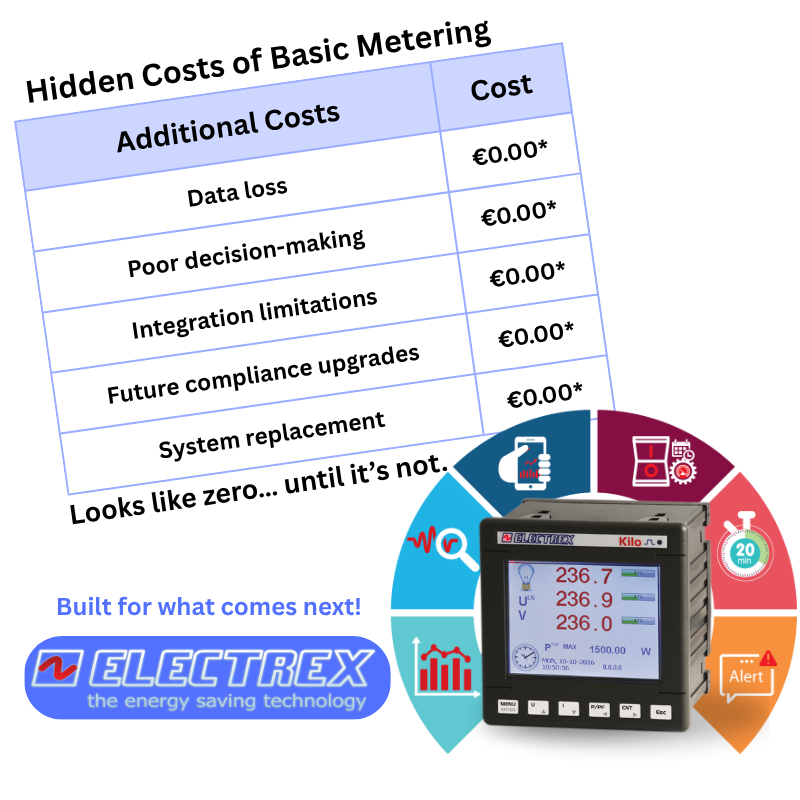
Getting ahead of this means moving past invoice-based estimates toward metering that captures consumption by line, by shift, by machine — automatically, in a format someone can still use four years from now.
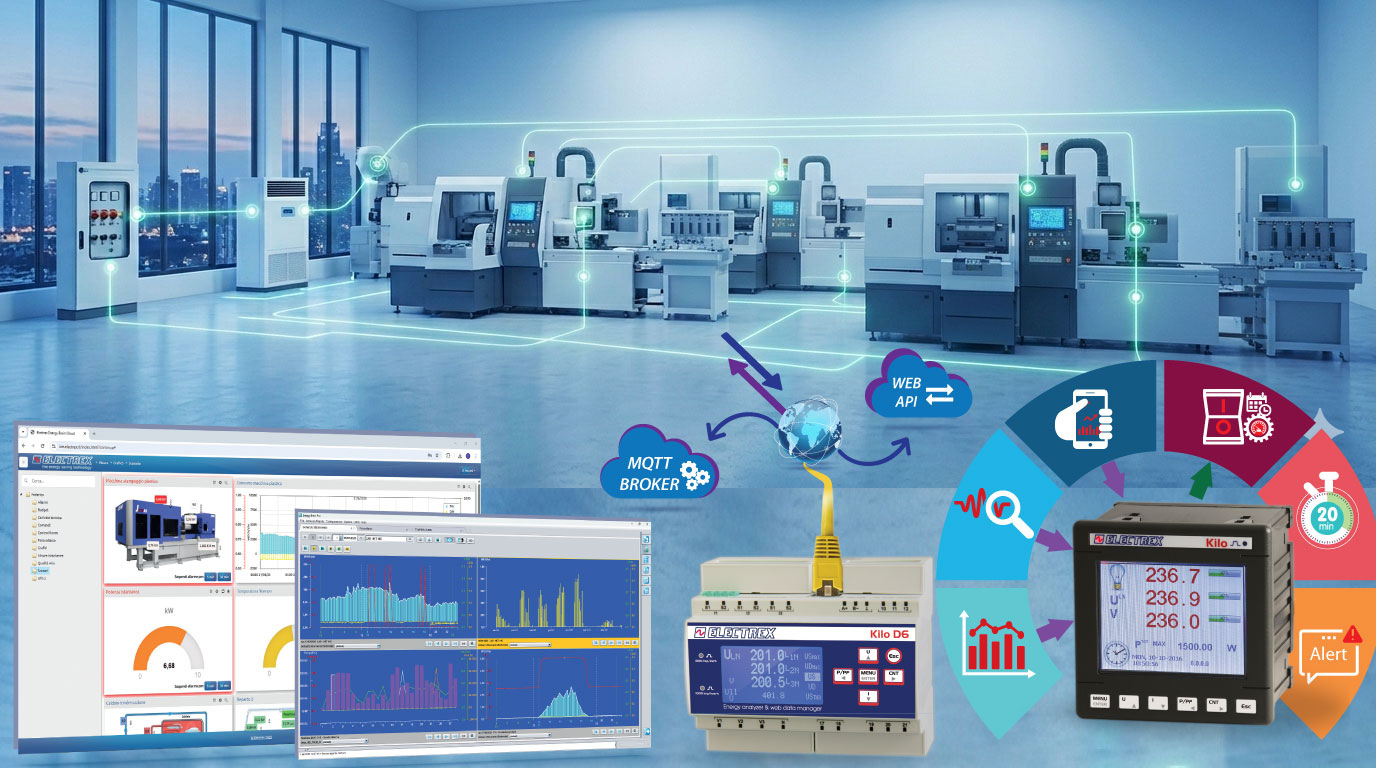
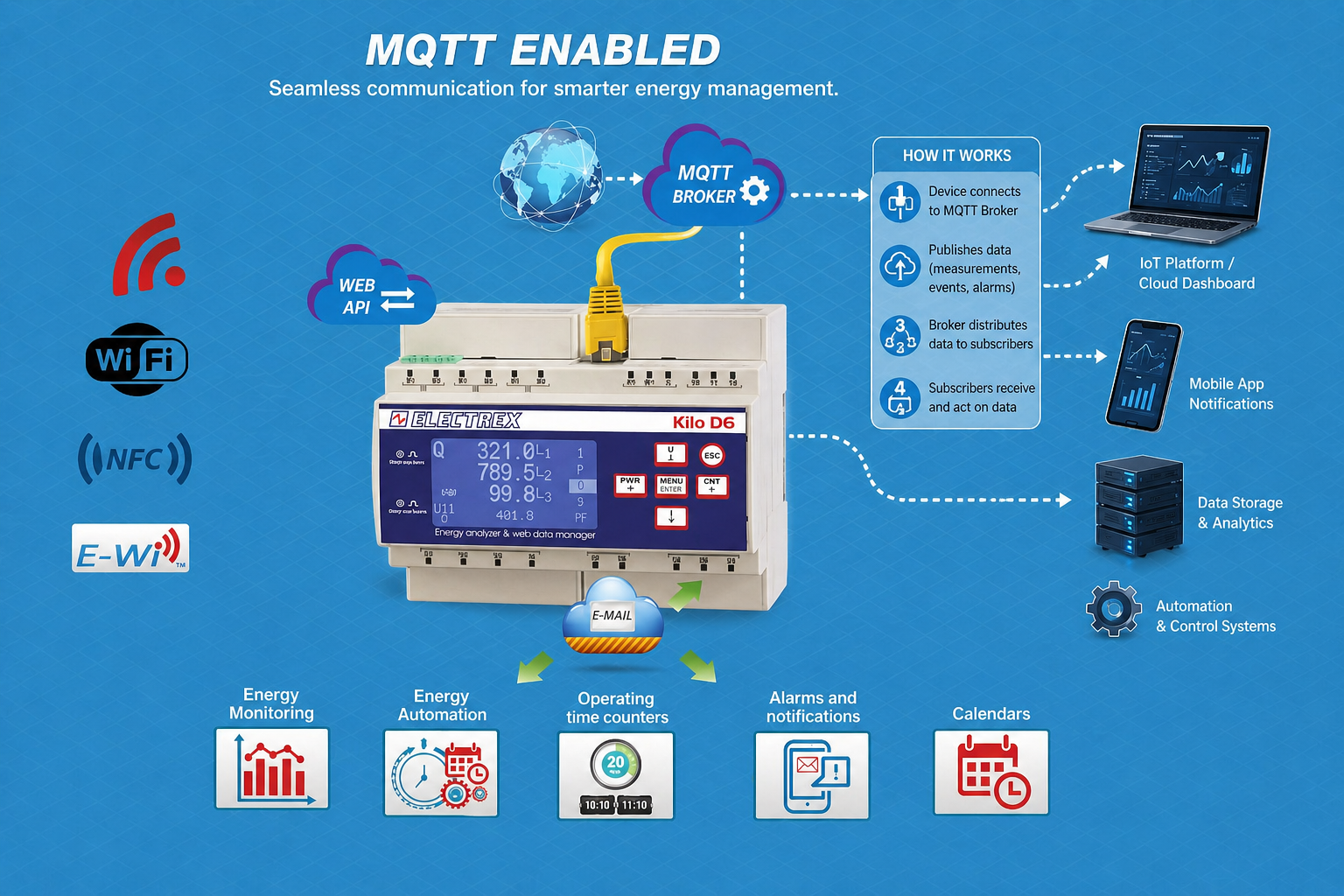
⚡ That’s the layer our energy monitoring and submetering systems are built to cover. Granular metering down to the sub-panel or machine level, continuous data logging, all feeding into a single energy management platform — so the numbers are already there when the audit, or the 2030 follow-up, comes around. No reconstructing a year of consumption from spreadsheets. No gap between what you billed and what you actually used.
If your facility’s consumption puts you anywhere near that 10 TJ line, the weeks before October 11 are worth spending on something more useful than chasing invoices.
📩 What does your current metering setup actually capture — invoice totals, or real load profiles? Curious how others are approaching this. Comment below, or reach out directly if you want to see how our monitoring architecture maps onto EED audit requirements.
#EnergyEfficiency #EED #EnergyManagement #Submetering #Industry40 #Compliance #PowerQuality
Contact me to schedule a call! I will be glad to answer any questions you may have.